Charting Reward Pathways: Linking Free Spins to Tier Advances in Mobile Betting Platforms
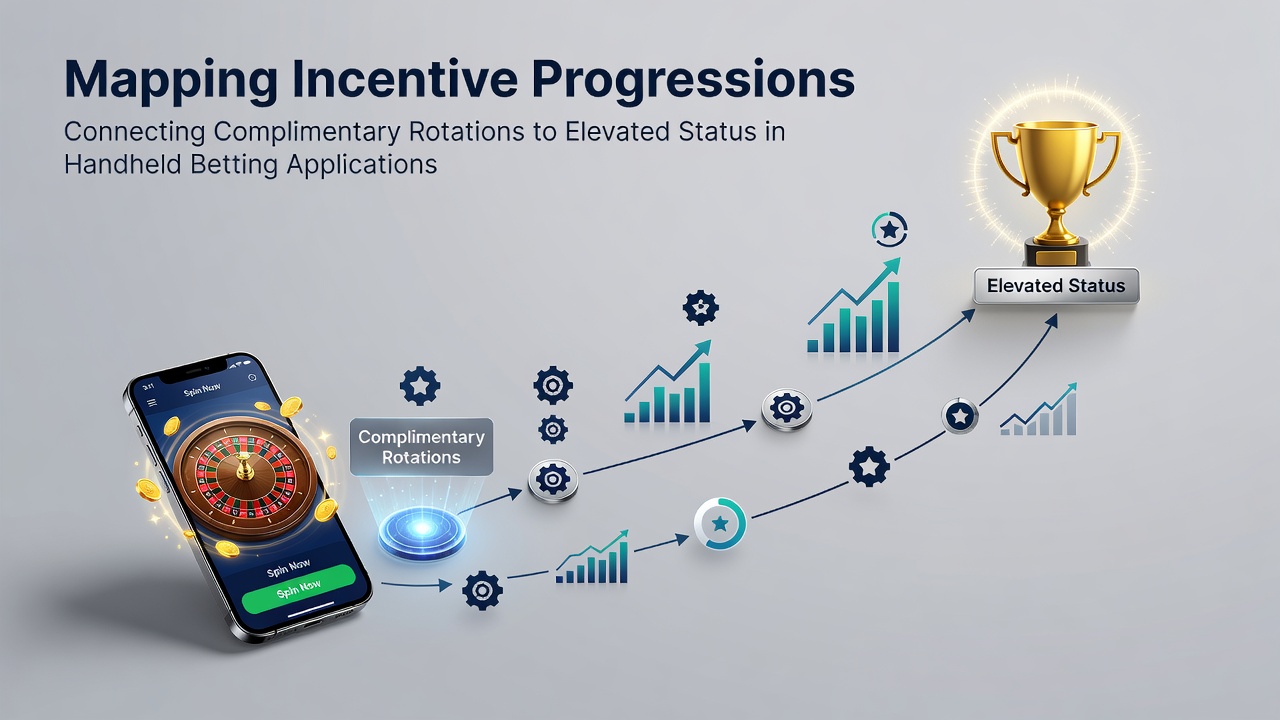
Players encounter structured systems in handheld betting applications where complimentary rotations feed directly into loyalty frameworks, and these mechanisms track activity across sessions to determine rank elevation. Data from multiple markets shows consistent patterns in how operators assign points based on spin volume, wager size, and frequency of play, while these points accumulate toward higher status levels that unlock additional benefits. Researchers have documented similar approaches across platforms operating in North America and parts of Asia, where the same rotation-to-tier logic appears in app interfaces.
Core Mechanics of Rotation Tracking
Handheld applications record each complimentary spin as a measurable event that contributes to an overall progression meter, and this meter updates in real time as users complete required playthrough conditions. Operators set thresholds that convert accumulated rotations into loyalty points, which then determine movement between tiers such as silver, gold, or platinum equivalents. Industry reports indicate that most systems apply multipliers when players meet daily or weekly activity targets, thereby accelerating the path to elevated standing without requiring additional deposits.
One documented case involved a platform that mapped 500 free rotations to an initial tier jump, after which further spins at higher stakes added bonus multipliers to the same meter. The process relies on backend algorithms that cross-reference rotation counts with deposit history, and these algorithms adjust point values according to game type and volatility settings chosen by the operator.
Integration with Payment and Withdrawal Flows
Many applications link rotation tracking to deposit method verification, so that players who complete spins using approved channels receive faster point validation. This connection allows the system to confirm eligibility before advancing status, and it reduces delays when users later request withdrawals from winnings generated during promotional play. Figures from regional gaming associations reveal that synchronized payment and bonus tracking can shorten processing times by aligning account verification steps with tier advancement criteria.
Regional Variations in Implementation
Platforms licensed in Australian jurisdictions often apply stricter caps on rotation-to-point conversion rates compared with those operating under North American frameworks, while European operators tend to emphasize transparency in how many spins equal one loyalty point. A study published by a Canadian research institute found that clear disclosure of these rates correlated with longer session durations across tested user groups. Observers note that the differences arise from varying regulatory requirements rather than technical limitations of the applications themselves.
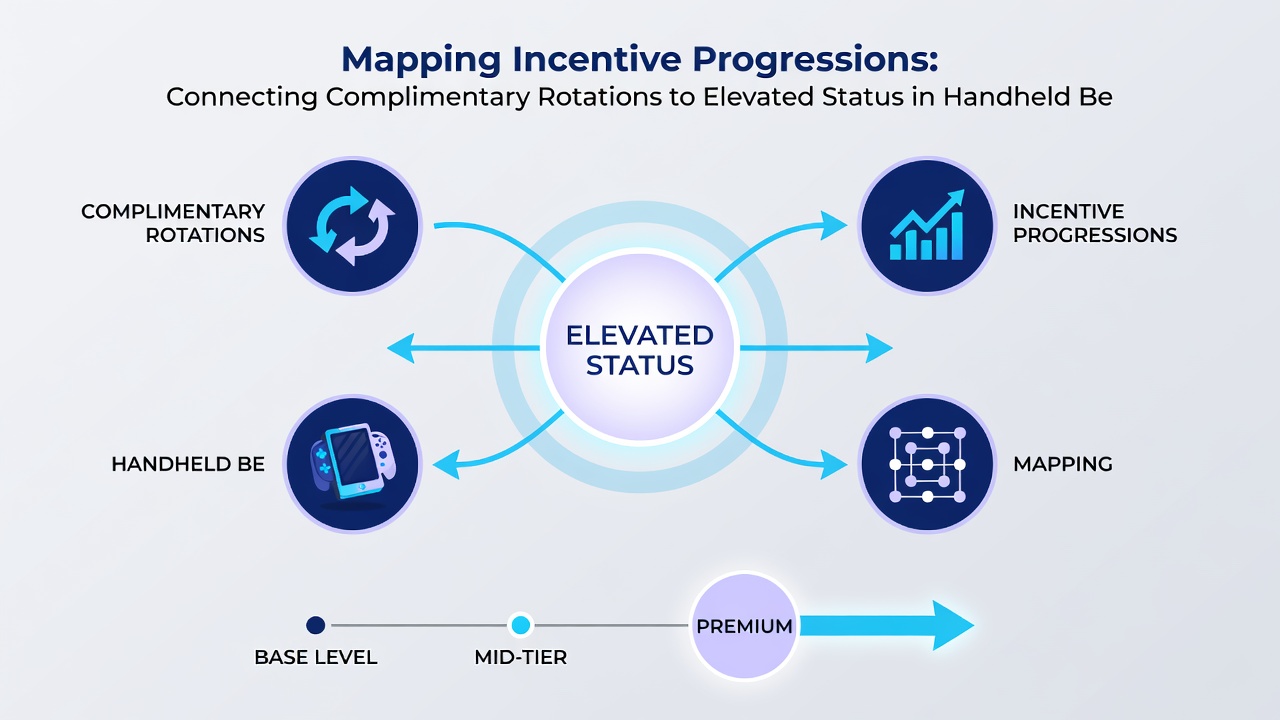
Applications also incorporate seasonal adjustments that temporarily increase point value for rotations completed during specific promotional windows, and these adjustments appear in push notifications sent directly to user devices. The changes encourage continued engagement without altering the underlying progression formula, and they allow operators to manage player distribution across different game categories.
Technical Infrastructure Supporting Progression Maps
Backend systems rely on database schemas that store rotation history alongside tier status flags, enabling quick queries when users open the loyalty dashboard. Developers integrate these schemas with front-end progress bars that display remaining spins needed for teh next elevation, and the bars update after every completed game round. Security protocols ensure that point totals cannot be altered outside authorized server processes, which protects both operators and users from discrepancies during high-volume periods.
Analytics tools aggregate anonymized data across millions of sessions to refine conversion rates, and these refinements appear in updated terms that players accept when they log in after a maintenance window. Reports from trade organizations show that iterative adjustments based on aggregated metrics have become standard practice across major handheld platforms.
Conclusion
The mapping of complimentary rotations to elevated status operates through consistent technical and regulatory frameworks that differ mainly by jurisdiction. Players interact with visible progress indicators while backend systems handle the conversion logic, and both elements continue to evolve alongside changes in device capabilities and payment technologies. Data collected by independent research groups continues to inform how these systems balance engagement goals with compliance requirements across global markets.