Mapping Payment Alignments to Unlock Layered Reward Pathways in Mobile Gaming Environments
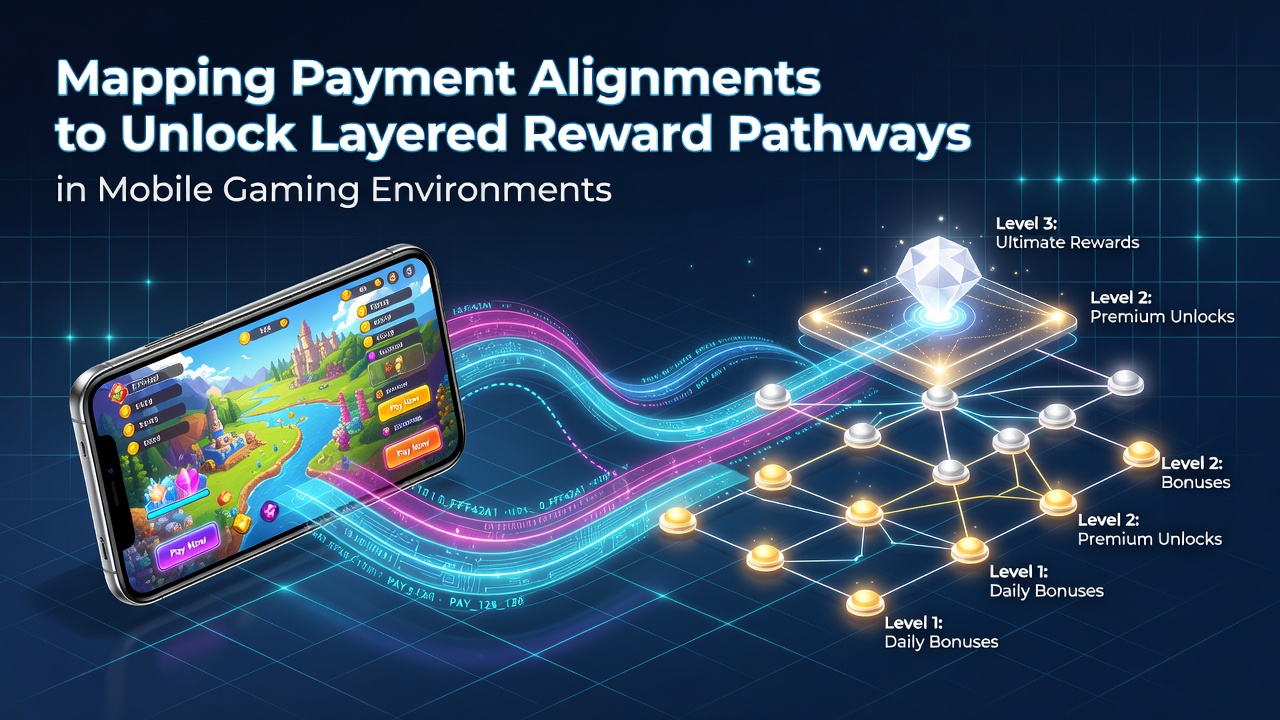
Payment alignments in mobile gaming environments involve matching specific transaction methods to the requirements of layered reward systems that games use to retain players over time, and data from industry reports shows these alignments influence how quickly users progress through subscription models, in-app purchase bundles, and loyalty mechanics. Researchers have tracked patterns where credit card transactions, digital wallets, and carrier billing each interact differently with game servers that track playtime thresholds and spending milestones, while studies indicate that seamless alignments reduce friction during reward redemption cycles.
Core Mechanics of Payment and Reward Integration
Game developers structure reward pathways as sequences of tiers that unlock based on cumulative spend or activity metrics, and payment method choice often determines the speed of verification for those tiers because some processors authorize recurring charges faster than others. Observers note that direct carrier billing frequently aligns with immediate reward grants in regions where mobile network partnerships exist, whereas third-party wallets may require additional confirmation steps that delay access to battle pass content or cosmetic upgrades. Figures from the Entertainment Software Association reveal that over 60 percent of mobile game revenue in North America now stems from these layered systems, with payment routing decisions affecting both player retention rates and developer payout timelines.
Regional Variations in Transaction Processing
European data protection rules shape how payment information flows into reward tracking databases, requiring explicit consent layers that differ from North American practices, and this creates distinct alignment patterns across app stores. Australian regulatory frameworks, by contrast, emphasize consumer protection disclosures that must accompany any payment method used to unlock premium features, leading developers to standardize certain wallet integrations for compliance. Those who have examined cross-border transaction logs find that currency conversion fees attached to credit cards can indirectly affect reward eligibility in games that set spending caps per account region.
Data Patterns in Player Progression
Analytics platforms record that players who consistently use the same payment method across multiple titles experience smoother synchronization between their spend history and reward unlocks, because servers cache authorization tokens more efficiently under repeated use. One case study from a major title developer demonstrated that switching between Apple Pay and Google Pay mid-session occasionally resets progress counters until the new method completes full verification, whereas single-method loyalty produces faster tier advancements. Research indicates these patterns hold across genres including strategy, role-playing, and casual puzzle games that rely on similar layered incentive designs.
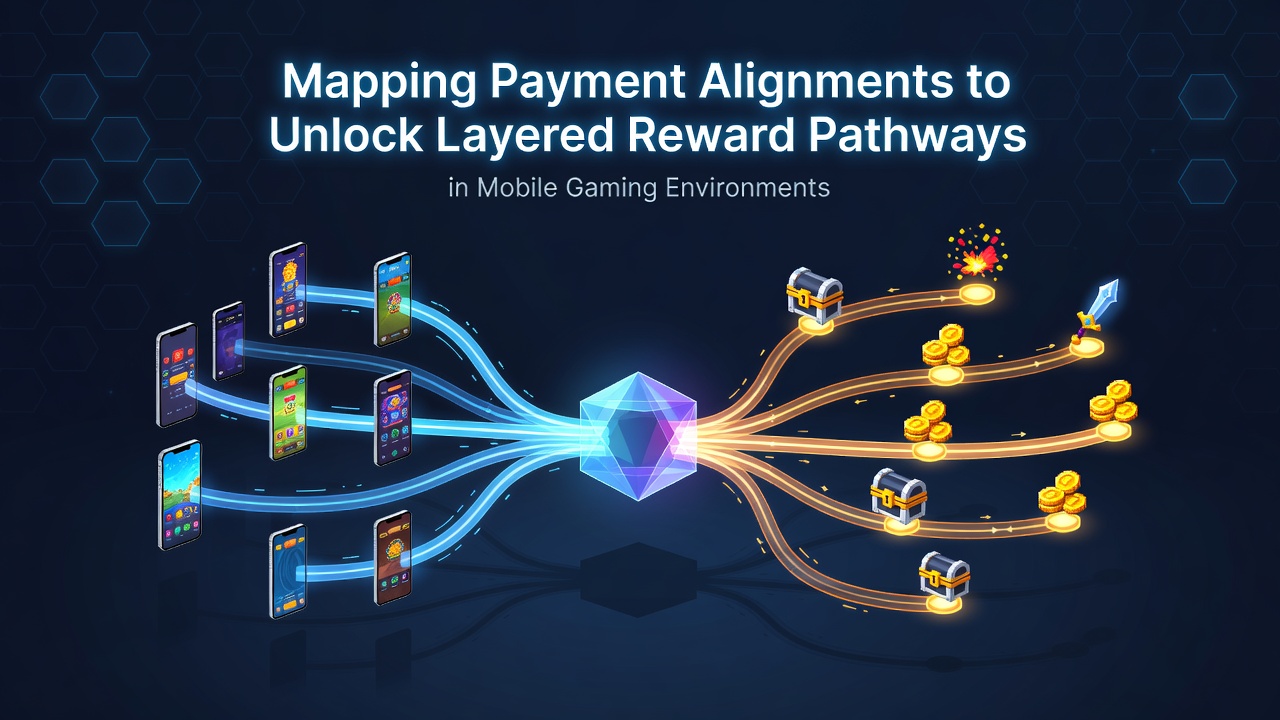
Payment processor partnerships with game platforms have expanded in recent years, and reports show that certain banks now offer direct integrations that flag eligible transactions for automatic reward credit without additional user input. This reduces the steps between purchase and unlock, particularly for subscription renewals that feed into ongoing loyalty calculations. Data collected through university-led examinations of player behavior further suggests that geographic restrictions on accepted payment types can create bottlenecks in reward pathways for users traveling across borders.
Technical Considerations for Developers
Backend systems must map incoming payment metadata to reward databases in real time, and mismatches in currency codes or payment identifiers often trigger manual review processes that stall progression. Developers increasingly rely on standardized APIs that normalize data from multiple sources, allowing a single reward pathway to accommodate credit cards, digital wallets, and emerging options like bank transfers. Evidence from industry white papers shows that robust mapping reduces support tickets related to delayed unlocks by measurable percentages, while also supporting more granular analytics on which payment alignments drive the highest engagement.
Future Infrastructure Developments
Platform updates scheduled for implementation phases around mid-2026 include enhanced tokenization standards that could streamline alignments across additional payment rails, and preliminary testing indicates these changes may shorten verification windows for recurring reward subscriptions. Technical documentation from major app marketplaces outlines requirements for developers to update their payment handling code accordingly, with emphasis on maintaining consistent reward delivery regardless of the selected method.
Conclusion
Payment alignments continue to determine the efficiency of layered reward pathways across mobile gaming environments, and ongoing refinements in processing technology, regional compliance, and data mapping practices shape how players experience progression. Industry reports and academic analyses document the measurable impacts of these alignments on retention and revenue, while developers adapt their systems to accommodate evolving transaction options. The interplay between payment infrastructure and reward mechanics remains a central factor in the operational design of contemporary mobile titles.