Reward Sequencing Maps in Mobile Gaming: Connecting Offer Stacks to Timeline Alignments and Progressive Unlocks
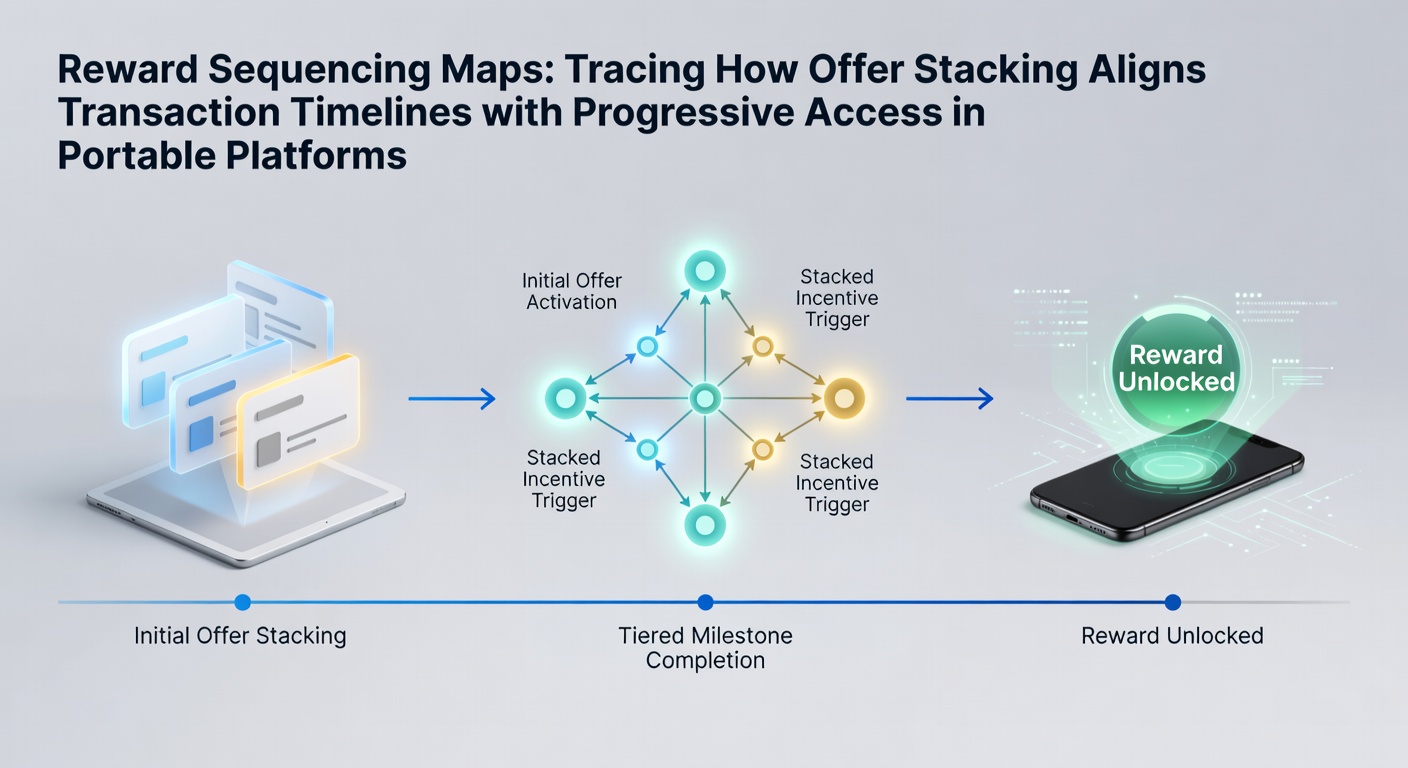
Portable platforms have shifted how operators structure bonuses through sequenced reward systems that layer multiple offers while matching deposit and withdrawal cycles. Data from industry reports indicate that these maps coordinate free spins, deposit matches, and loyalty tiers so each stage unlocks only after prior terms clear, which keeps transaction records synchronized across devices.
Core Elements of Reward Sequencing
Operators build sequencing maps by assigning each bonus a position in a chain, where initial no-deposit spins convert into wager requirements that feed into later deposit bonuses. Research from the University of Nevada, Reno shows these chains rely on timestamp logs that track when a player claims one offer, completes its playthrough, and moves to the next stage without overlapping eligibility windows.
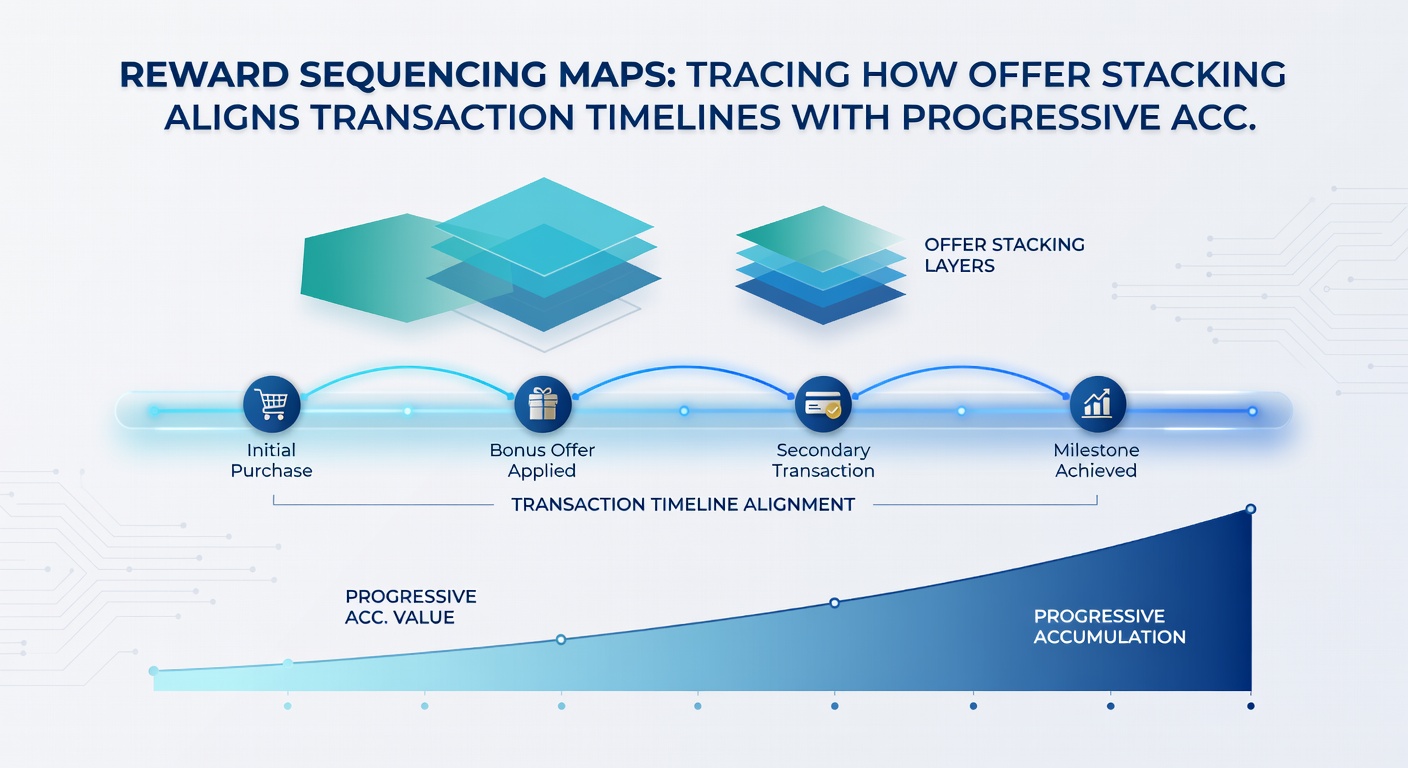
Transaction timelines enter the picture when withdrawal requests trigger automatic checks against the sequence, ensuring cashouts occur only after all stacked conditions reach completion. Observers note that this prevents premature payouts while allowing players to maintain continuous access to new tiers on the same mobile session.
Mechanics of Offer Stacking on Portable Devices
Stacking occurs when a platform permits simultaneous enrollment in several promotions, yet the sequencing map enforces order through backend flags that activate the next layer only after the current one finishes. Figures from the European Gaming and Betting Association reveal that mobile systems process these flags in real time, using device identifiers to keep records consistent across app updates and operating system changes.
One case involved a Canadian operator that adjusted its map so a 50-spin no-deposit package rolled directly into a reload match once the initial spins cleared a 30x threshold, with payment method data feeding into the same log used for loyalty point accrual. This alignment reduced manual reviews by 18 percent according to the operator’s quarterly filings.
Timeline Alignment and Progressive Access
Progressive access refers to the gradual release of higher-value features such as exclusive tables or increased withdrawal limits once earlier sequence steps meet their criteria. Systems achieve this by anchoring each unlock to specific transaction events, including successful deposits or completed wagers, which the map records with precise timestamps.
Studies conducted by the Responsible Gambling Council in Canada found that clear sequencing lowered player confusion around when features become available, because the platform displays remaining requirements directly in the mobile app rather than requiring separate support queries. The same research tracked usage patterns through May 2026 projections, noting continued growth in sequenced offers as device processing speeds improve.
Payment flows integrate at multiple points: an e-wallet deposit might satisfy one stage while a subsequent card transaction triggers the next, yet the underlying map treats both as sequential events within a single player profile. Regulators in New Jersey require operators to maintain audit trails that link every transaction to its corresponding sequence position, ensuring compliance without disrupting the mobile experience.
Implementation Patterns Across Regions
Different jurisdictions apply sequencing maps with varying degrees of prescription. Australian state regulators emphasize consumer disclosure of sequence order at the point of offer acceptance, while several U.S. tribal gaming authorities focus on technical logging standards that allow third-party verification of timeline accuracy.
Those who manage mobile platforms report that cross-device continuity remains a key challenge; a player who begins a sequence on a tablet must see the same progress when switching to a phone. Solutions involve cloud-synced ledgers that refresh every few seconds, keeping the reward map consistent regardless of access point.
Conclusion
Reward sequencing maps continue to evolve as mobile technology advances, with operators refining how stacked offers connect to transaction records and progressive unlocks. Data across multiple regulatory regions show that structured timelines support both operational compliance and player navigation through layered promotions, while maintaining clear records that span devices and payment methods.