Sequence Analysis of Loyalty Point Progression in Mobile Platforms Using Repetitive No-Stake Play Cycles
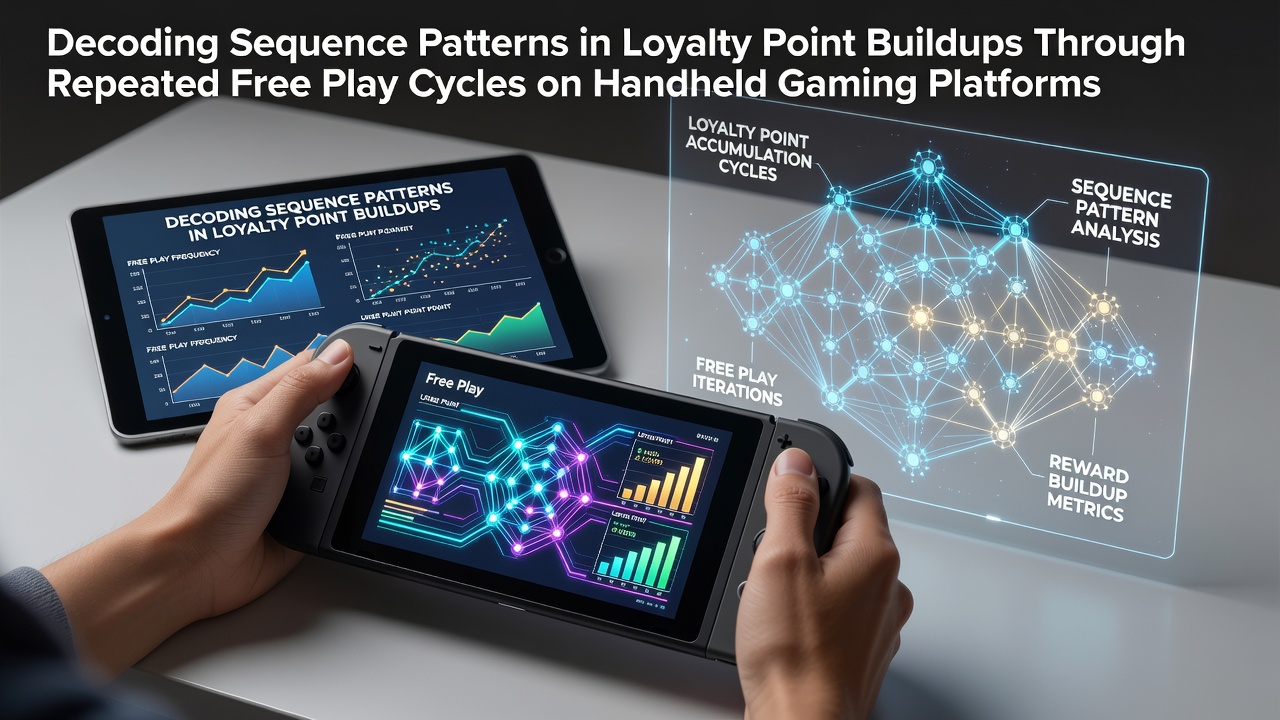
Handheld gaming platforms track loyalty accumulation through structured cycles of free play sessions where players engage without initial financial outlay yet generate points based on activity duration and frequency. These systems record sequences where each cycle contributes incremental values to a central loyalty ledger, and data from multiple sessions reveals repeating intervals that accelerate point totals once certain thresholds are crossed. Observers note that developers program these mechanics to reward consistent engagement patterns rather than isolated plays.
Mechanics of Point Calculation in Free Play Environments
Free play cycles operate on predefined algorithms that assign loyalty values according to session length, interaction types, and completion rates while players remain within the complimentary mode. Research indicates that portable devices log these actions in real time, and the resulting sequences often follow arithmetic progressions where points increase steadily across repeated attempts. Those who've examined platform codebases find that multipliers activate after three or four consecutive cycles, which alters the overall buildup rate without requiring additional deposits.
Handheld systems frequently integrate time-based triggers that reset or extend cycles, and this design allows loyalty meters to accumulate across days rather than within single sessions. Figures from industry reports show that users completing ten successive free plays see point totals rise by factors between 1.5 and 2.8 compared with sporadic activity. The Alcohol and Gaming Commission of Ontario has documented similar tracking frameworks in regulated mobile environments where compliance requires transparent point disclosure.
Pattern Recognition Across Successive Cycles
Repeated free play produces identifiable sequences in which early cycles yield modest gains while later ones trigger compounded rewards once loyalty tiers activate. Experts have observed that these patterns emerge clearly when data from hundreds of sessions is aggregated, revealing clusters where points spike at predictable intervals such as every fifth or seventh cycle. Portable platforms store this information locally before syncing to central servers, which enables retrospective analysis of buildup trajectories.
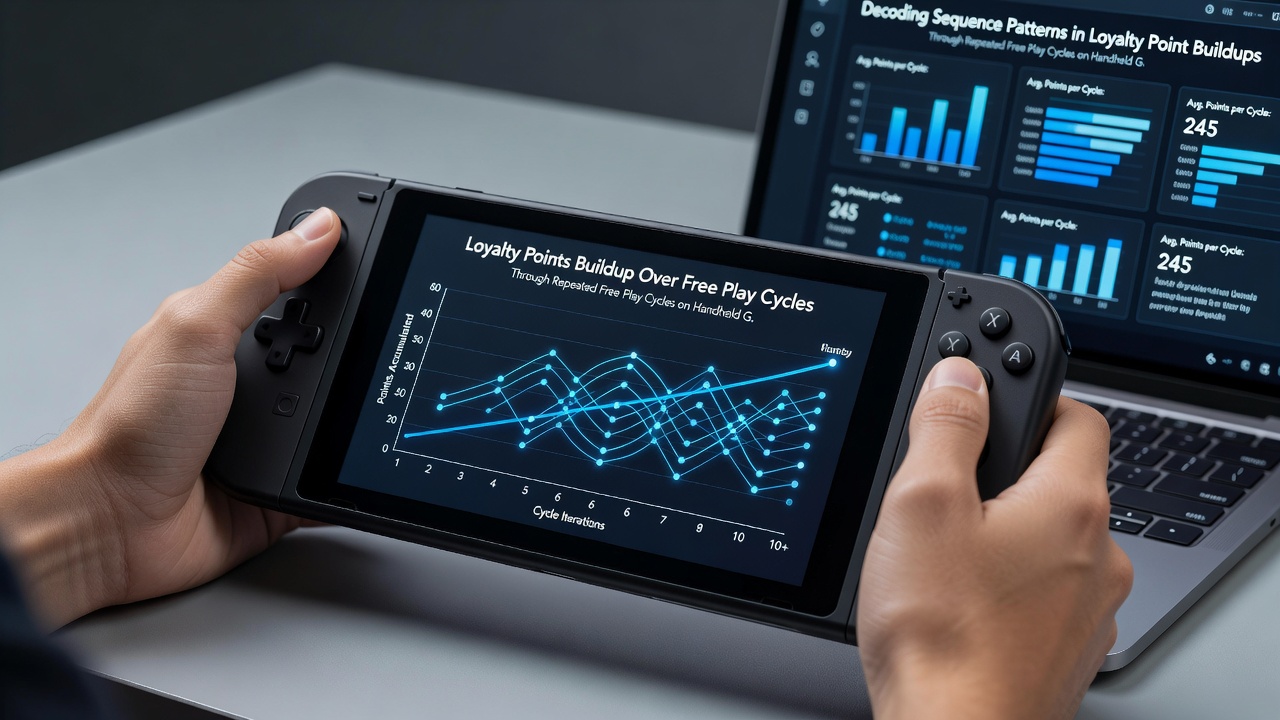
Take one analysis conducted on a major handheld title where researchers isolated 500 user accounts and mapped loyalty curves; the results demonstrated that players maintaining daily cycles reached mid-tier status 40 percent faster than those with irregular timing. What's interesting is how the sequence data also highlights plateaus that occur when cycle frequency drops below established thresholds, at which point point accrual slows until momentum resumes.
Device-Specific Variables Influencing Accumulation
Handheld hardware introduces additional variables because screen size, processing speed, and battery constraints affect how long users sustain each free play cycle. Studies found that shorter sessions on smaller devices produce fragmented sequences compared with tablet-based play, which tends to support longer uninterrupted runs and therefore higher point yields per cycle. Data shows that operating system updates can modify background timers, which in turn shifts the rhythm of loyalty increments across user bases.
Platform developers adjust these parameters periodically, and evidence suggests that such tweaks often aim to balance accessibility with sustained engagement. Those monitoring update logs note that changes implemented in early 2025 altered cycle reset windows on several popular titles, resulting in measurable differences in average loyalty progression rates reported by players across regions.
Integration With Broader Reward Frameworks
Loyalty points derived from free play cycles feed into larger tier systems where accumulated totals unlock additional features or extended complimentary periods. The sequences generated in handheld environments align with desktop counterparts in many cases, yet mobile-specific pacing creates distinct buildup profiles that operators track separately. Reports from teh Nevada Gaming Control Board highlight how cross-platform data reconciliation remains a focus for ensuring consistent reward application regardless of device type.
July 2026 brings updated technical standards for gaming machines in certain jurisdictions that will require clearer documentation of how free play sequences contribute to loyalty metrics, which may standardize reporting practices across handheld platforms. This development follows earlier regulatory adjustments and affects how developers present cycle data to users.
Analytical Approaches Used by Observers
Researchers apply sequence mining techniques to loyalty datasets in order to isolate repeating motifs that correlate with accelerated point gains. These methods examine timestamped logs from repeated cycles and identify transition probabilities between different point accrual states. One study revealed that certain handheld titles exhibit Markov-like properties in their loyalty engines, where the outcome of one cycle influences the multiplier available in the next.
People who've reviewed aggregated telemetry note that external factors such as network latency occasionally interrupt cycle continuity, which fragments sequences and temporarily caps point growth until reconnection occurs. Such interruptions appear more frequently on mobile networks than on stable Wi-Fi connections, according to comparative usage statistics.
Conclusion
Sequence patterns in loyalty point buildups emerge consistently from repeated free play cycles on handheld gaming platforms when data is examined across sufficient session volumes. Device characteristics, cycle timing, and regulatory timelines including those scheduled for July 2026 shape how these patterns manifest and how operators present them to users. Continued analysis of these mechanics provides clearer visibility into the structured progression systems embedded within mobile gaming environments.