Tracing Reward Ladders in Digital Wagering Through Synchronized Instant Rails and Tier Advancement Protocols
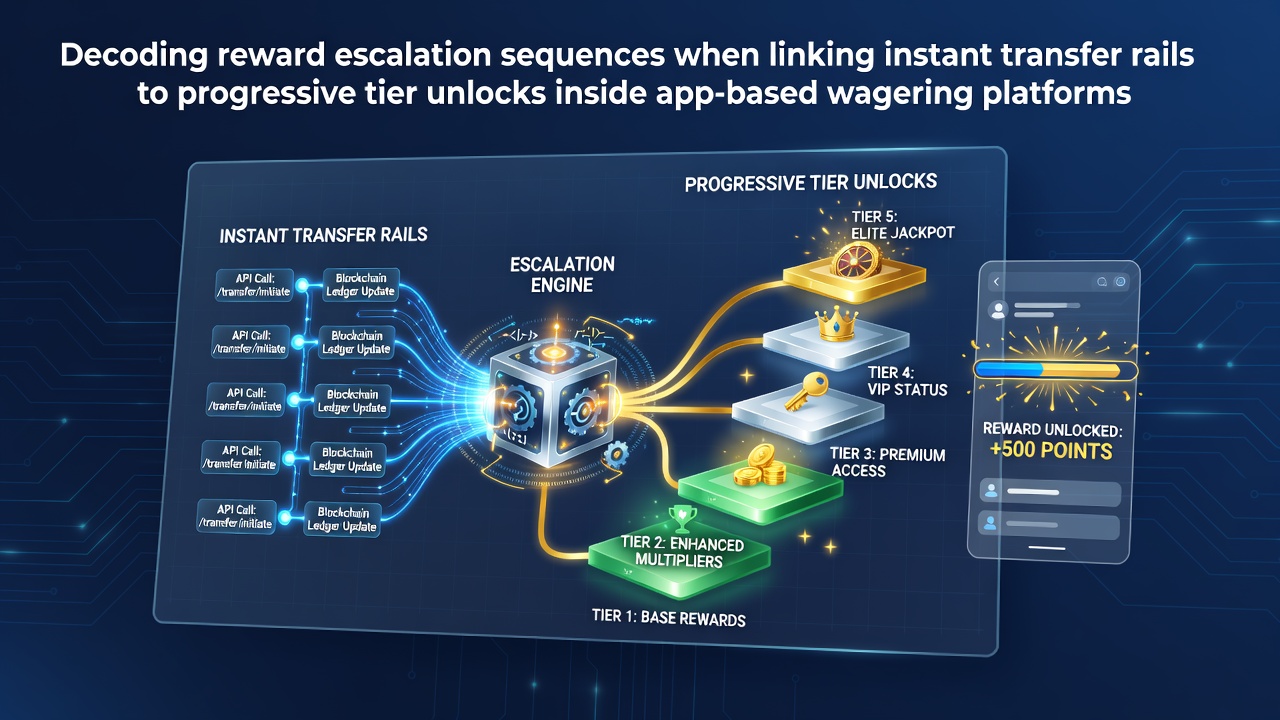 Platform operators have built intricate connections between instant transfer mechanisms and tier-based progression frameworks inside mobile wagering environments, creating sequences where each payment action feeds directly into automated advancement calculations. These systems process deposits through real-time rails such as digital wallets and bank transfers, then route transaction metadata into loyalty engines that calculate points, unlock thresholds, and escalate reward multipliers without manual intervention. Observers note that the core sequence begins when a user initiates an instant deposit, which triggers an API call that logs the transaction amount, method, and timestamp into a centralized player profile. The profile then compares accumulated values against predefined tier criteria, often using weighted formulas that factor in deposit frequency and volume to determine eligibility for the next level. Research indicates these calculations complete in under two seconds on most major platforms, allowing immediate access to enhanced reward structures once the unlock occurs.
Mechanics of Instant Rail Integration
Instant transfer rails operate as the entry point for data that drives tier progression, transmitting structured payloads containing payment identifiers and amounts straight into backend databases. Developers configure these rails to include metadata tags that the loyalty system parses to apply bonus multipliers, with higher tiers granting access to accelerated point accrual rates. Data shows that platforms using synchronized APIs reduce processing latency by up to 40 percent compared with batch-oriented legacy methods, according to industry benchmarks published by Gaming Laboratories International.
Progressive tier unlocks rely on cumulative tracking that resets or carries forward depending on platform rules, and the instant rail linkage ensures every qualifying transfer updates the running total in real time. Engineers implement conditional logic that escalates rewards once thresholds are crossed, such as increasing cashback percentages or expanding free-play allocations. Those who've studied these architectures report that the escalation sequences follow exponential rather than linear patterns, where each successive tier applies a compounding factor to prior reward values.
Sequence Patterns Across Tier Levels
At entry-level tiers, reward escalation typically starts with modest point awards per deposit unit, yet the moment an instant transfer pushes the profile across the first milestone, the system activates doubled accrual rates and introduces new unlock paths. Mid-tier transitions introduce additional variables, including time-bound challenges that combine deposit volume with session duration to trigger further jumps. Higher tiers incorporate layered sequences where instant rails not only advance the primary tier but also feed secondary prestige tracks that offer exclusive multiplier boosts.
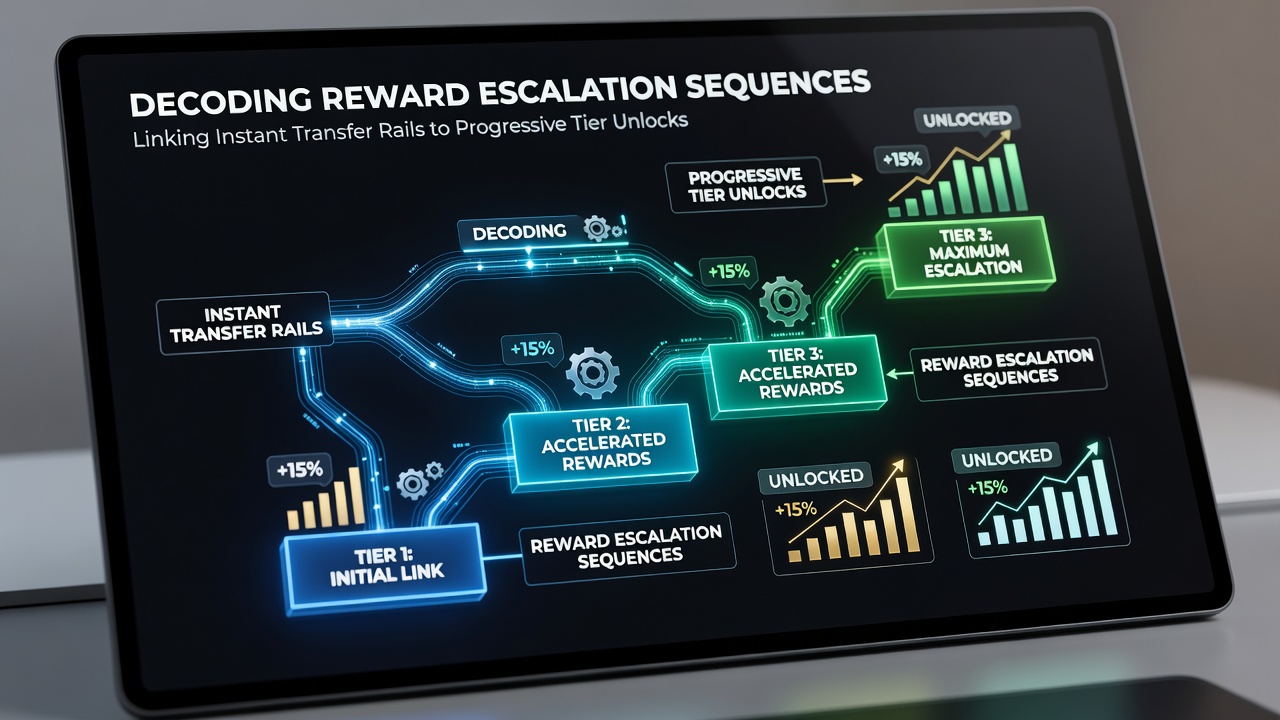
Case studies from platform audits reveal that some sequences incorporate cascading effects, where one unlocked tier immediately recalibrates pending reward offers to align with the new status. This recalibration happens through event-driven scripts that listen for tier-change signals emitted by the loyalty engine. The result is a continuous escalation loop in which instant transfers serve as both the fuel and the trigger for successive reward expansions.
Technical Safeguards and Data Handling
Security protocols embedded in these linked systems encrypt transaction payloads at the rail level before they reach the tier engine, preventing tampering with escalation parameters. Compliance frameworks require audit trails that log every payment-to-tier mapping, enabling regulators to verify that reward sequences activate only after confirmed transfers. A 2024 analysis by researchers at the University of Nevada, Las Vegas, documented how these audit mechanisms capture timestamp discrepancies that could indicate synchronization failures between rails and tier databases.
Platforms preparing infrastructure updates ahead of broader industry shifts scheduled for July 2026 have begun stress-testing these linkages under simulated high-volume conditions. The tests focus on maintaining sequence integrity when multiple instant transfers arrive simultaneously, ensuring tier unlocks process in the correct order without reward duplication or omission. Observers note that successful implementations rely on idempotent API designs that allow safe retries without altering escalation outcomes.
Future Development Directions
Emerging patterns show increased use of machine-learning models that predict optimal escalation points based on historical transfer behavior, allowing platforms to pre-stage tier offers before users reach manual thresholds. These models ingest anonymized rail data to refine the weighting factors applied during unlock calculations. Industry reports from the Responsible Gambling Council indicate that transparent disclosure of these predictive sequences improves user comprehension of how deposits translate into tier benefits.
Conclusion
The linkage between instant transfer rails and progressive tier systems produces deterministic yet increasingly sophisticated reward escalation sequences that operate continuously within app-based wagering platforms. Each component, from payload transmission to threshold comparison and multiplier activation, contributes to a unified process that rewards consistent activity through automated advancement. As technical standards evolve, the precision of these connections will determine how efficiently platforms deliver escalating benefits while maintaining verifiable data flows.