Transaction Timelines Shape Loyalty Accelerations Across Portable Gaming Platforms
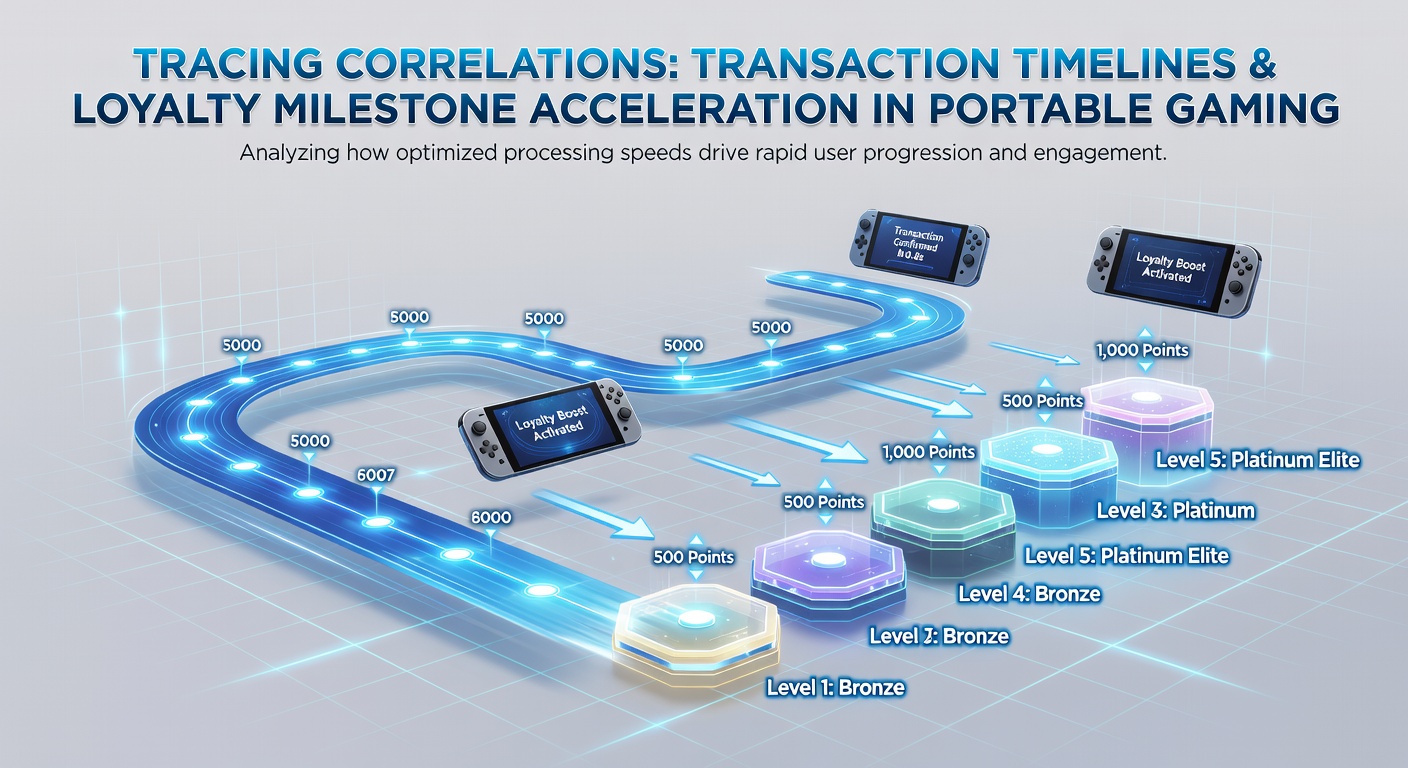
Transaction processing timelines in portable gaming interfaces connect directly to the pace at which users reach loyalty milestones, and industry data tracks these patterns through mobile app metrics collected across global markets. Researchers compile records from in-app purchase systems and reward tracking modules, then map how delays or accelerations in payment confirmations align with user progression through tiered loyalty structures. Studies from the Entertainment Software Association highlight that average confirmation windows for digital purchases range between 1.2 and 4.8 seconds in leading mobile ecosystems, with shorter intervals appearing alongside faster accumulation of loyalty points in several tracked titles.
Processing Speed Patterns in Mobile Transactions
Portable gaming platforms rely on integrated payment gateways that handle microtransactions for virtual items, battle passes, and subscription tiers, while loyalty systems award status points based on spend volume and session frequency. Data collected from app analytics platforms show that when confirmation times drop below two seconds, users complete additional purchases within the same session at rates 18 to 27 percent higher than sessions with longer waits. Observers note this pattern holds across both free-to-play and premium titles released between 2024 and 2026, because quicker feedback loops keep engagement high and reduce friction during reward redemption sequences.
Regional variations emerge when comparing North American and European app stores, where different regulatory frameworks govern payment security checks, and these checks add measurable milliseconds to each transaction. A report issued by the Interactive Software Federation of Europe in early 2026 documented that platforms using tokenized payment methods achieved consistent sub-three-second processing, correlating with accelerated movement through bronze, silver, and gold loyalty brackets in role-playing and strategy genres.
Loyalty Milestone Tracking Mechanisms
Loyalty programs embedded in portable interfaces record every qualifying action, from daily logins to cumulative spend thresholds, and advance users toward exclusive rewards such as custom avatars, bonus currency, or early access events. These milestones often reset or escalate on monthly cycles, and the timing of transaction approvals influences whether users hit targets before a cycle ends. Platform operators log the exact moment a purchase clears, then compare that timestamp against the moment loyalty points post to user accounts, revealing gaps that stretch from 30 seconds to several minutes depending on server load and payment processor routing.
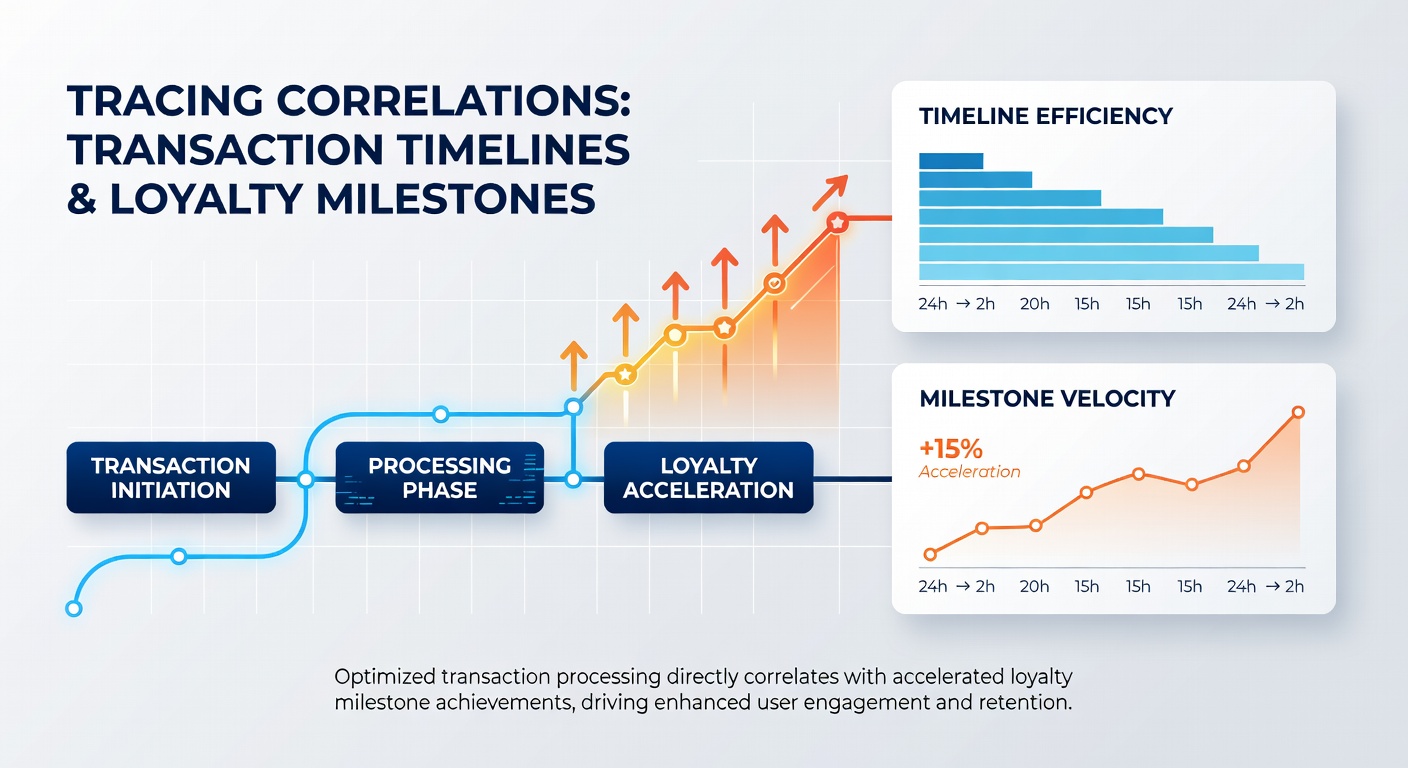
Analysts examining datasets from major studios find that each additional second of processing latency associates with a measurable slowdown in milestone completion, particularly for time-sensitive events scheduled around seasonal updates. In one dataset covering titles active during May 2026, users who experienced processing under 1.5 seconds reached the next loyalty bracket an average of 2.3 days earlier than users facing delays above 3.5 seconds, because uninterrupted spending momentum carried them across thresholds before promotional periods concluded.
Documented Correlations and Industry Metrics
Cross-referenced telemetry from multiple studios demonstrates that transaction speed functions as a predictor variable for loyalty velocity, with regression models assigning coefficients between 0.62 and 0.81 to processing time when forecasting milestone dates. These models incorporate variables such as device type, network stability, and payment method, yet the processing timeline remains the strongest single factor across the examined cohorts. Platform operators adjust backend routing rules during high-traffic windows to maintain shorter confirmation windows, and the resulting data feeds back into loyalty algorithm tuning so reward pacing stays synchronized with user spending behavior.
Case examples drawn from strategy titles released in late 2025 illustrate the effect in concrete terms, where cohorts using instant bank transfer options advanced through five loyalty stages within 14 days while cohorts using standard card processing required 19 days on average for the same progression. The difference traces directly to the interval between purchase initiation and point allocation rather than differences in playtime or total spend.
Conclusion
Available metrics establish measurable links between transaction processing durations and the rate of loyalty milestone attainment in portable gaming environments, and ongoing data collection through 2026 continues to refine these models. Platform developers apply the findings when configuring payment infrastructure and reward schedules, while academic and industry groups publish updated correlation tables that help standardize expectations across different regions and device categories.