Verification Protocols and Tiered Rewards Align Across Mobile Betting Platforms
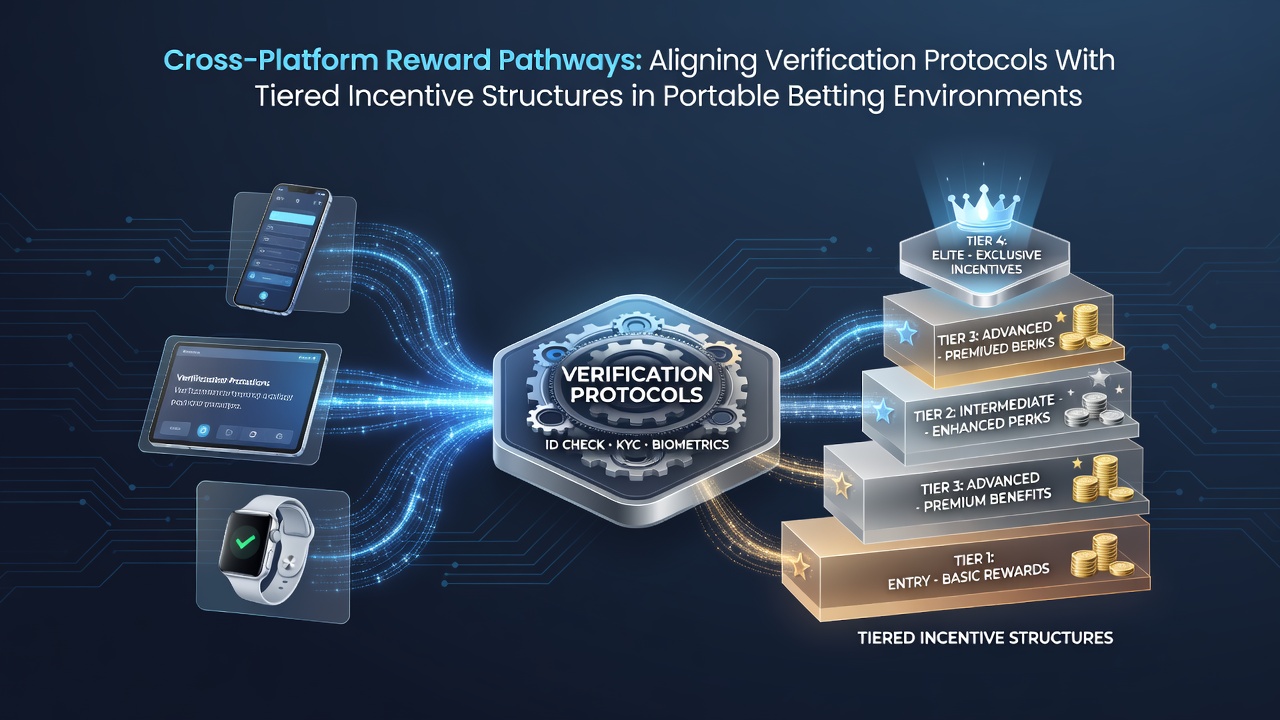
Portable betting environments now rely on integrated systems that link user verification steps directly to progressive reward tiers, and operators design these pathways so that players move between devices without losing accumulated benefits or facing repeated compliance checks. Data from industry reports shows that platforms using synchronized protocols see higher retention rates because verification occurs once and then feeds into loyalty structures that scale automatically as activity increases across phones, tablets, and connected apps.
Core Components of Cross-Platform Verification
Verification protocols in these environments typically combine identity confirmation, payment method validation, and behavioral monitoring into a single framework that travels with the user account. Researchers at the University of Nevada Reno have documented how biometric checks and document uploads completed on one device transfer instantly to others through encrypted cloud records, which reduces friction while maintaining regulatory standards set by bodies such as the Nevada Gaming Control Board. Players complete initial checks during account creation, after which the system assigns a baseline tier that unlocks entry-level incentives like matched deposits or limited free plays.
Once verification clears, the same data set supports tier progression based on metrics including deposit volume, play frequency, and session length. Systems track these indicators in real time so that movement from one tier to the next happens without manual intervention or device-specific resets.
Tiered Incentive Structures and Their Integration
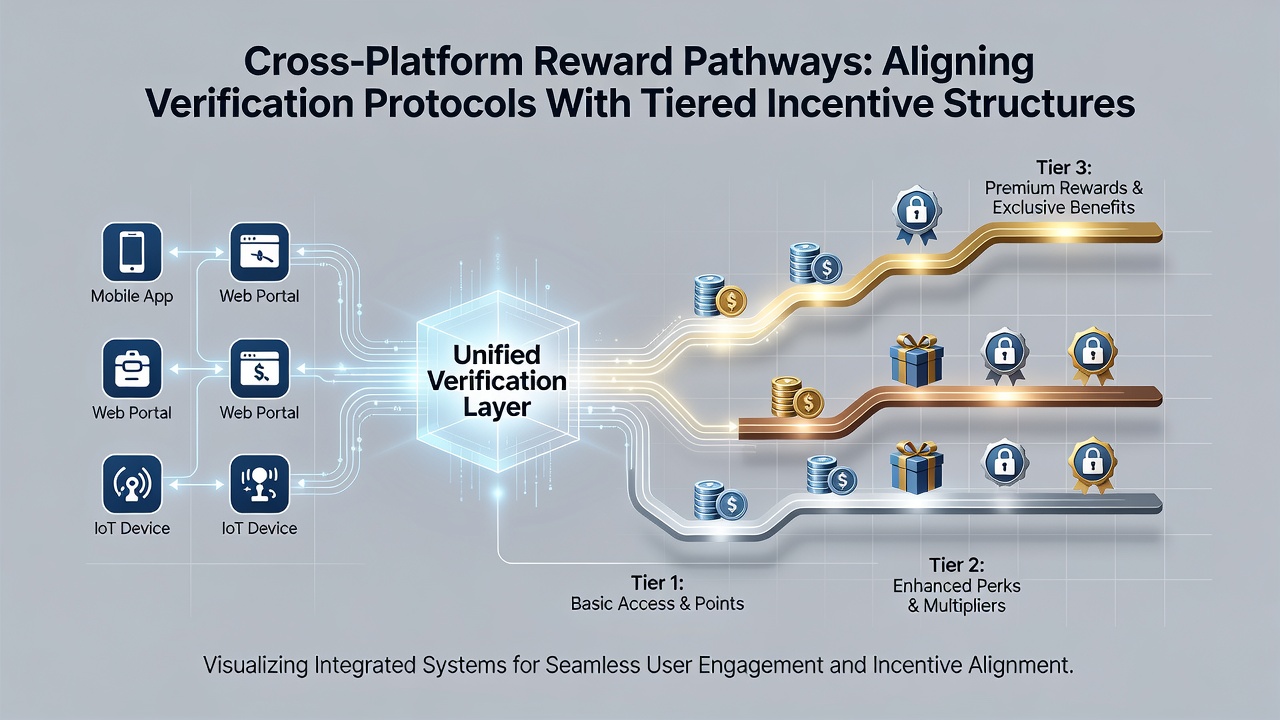
Tiered structures organize rewards into graduated levels where higher status grants larger percentages on deposits, exclusive bonus rounds, and accelerated withdrawal processing. Observers note that successful platforms map each tier directly to verification milestones, meaning a player verified at a basic level starts in the entry tier while those who complete enhanced checks such as address confirmation or source-of-funds reviews gain immediate access to mid-level benefits. This alignment prevents mismatches where a user qualifies for rewards on one device but encounters barriers when switching platforms.
Device Synchronization Mechanics
Portable environments achieve synchronization through unified APIs that push verification status and tier data across operating systems. A user who reaches a mid-tier on a smartphone during a commute continues at the same level when logging into a tablet at home, with all pending incentives and play history preserved. Figures from the Canadian Gaming Association reveal that operators implementing these unified records report a 30 percent drop in support tickets related to lost progress or repeated verifications.
Additional layers include time-based triggers where consistent activity over a set period, such as weekly deposit thresholds, automatically advances the tier without requiring further verification steps. These triggers operate identically whether the activity occurs through native apps or browser-based access points.
Regulatory and Technical Considerations in June 2026
By June 2026 several jurisdictions outside the UK plan updates to digital verification standards that affect how portable betting platforms handle cross-device data sharing. Australian regulators through the Australian Communications and Media Authority have signaled requirements for enhanced audit trails on reward pathways, while European operators reference forthcoming guidelines from the European Gaming and Betting Association that emphasize transparent mapping between verification events and incentive releases. Platforms already operating unified systems position themselves to meet these expectations with minimal additional development.
Technical teams achieve compliance by logging every verification action and tier change in immutable records that regulators can review across multiple jurisdictions. This approach supports both player mobility and oversight needs without forcing repeated checks that disrupt the reward experience.
Case Examples from Global Operators
One North American operator introduced a system in which verification completed via government ID scanning on a mobile app immediately populated tier data for desktop and tablet sessions, resulting in faster progression to higher reward brackets for active users. Similar implementations appear in Australian markets where state-level rules require clear linkage between compliance records and bonus eligibility. Those who've studied these deployments report that players advance through tiers more consistently when verification and incentives share the same data backbone.
Industry reports from the National Council on Problem Gambling also highlight how aligned systems allow responsible gambling tools, such as deposit limits tied to specific tiers, to function uniformly across devices. This consistency supports both player protection goals and operational efficiency.
Conclusion
Cross-platform reward pathways succeed when verification protocols feed directly into tiered incentive structures, enabling seamless movement between devices while preserving compliance and reward integrity. Operators that maintain unified records position accounts to advance through levels based on actual activity rather than fragmented device histories. As portable betting continues expanding, the alignment of these elements determines how efficiently platforms deliver consistent experiences that meet both player expectations and regulatory demands across regions.