When Payment Rails Meet Reward Ladders: Tracing Synchronized Offer Integration Across App-Based Gaming Networks
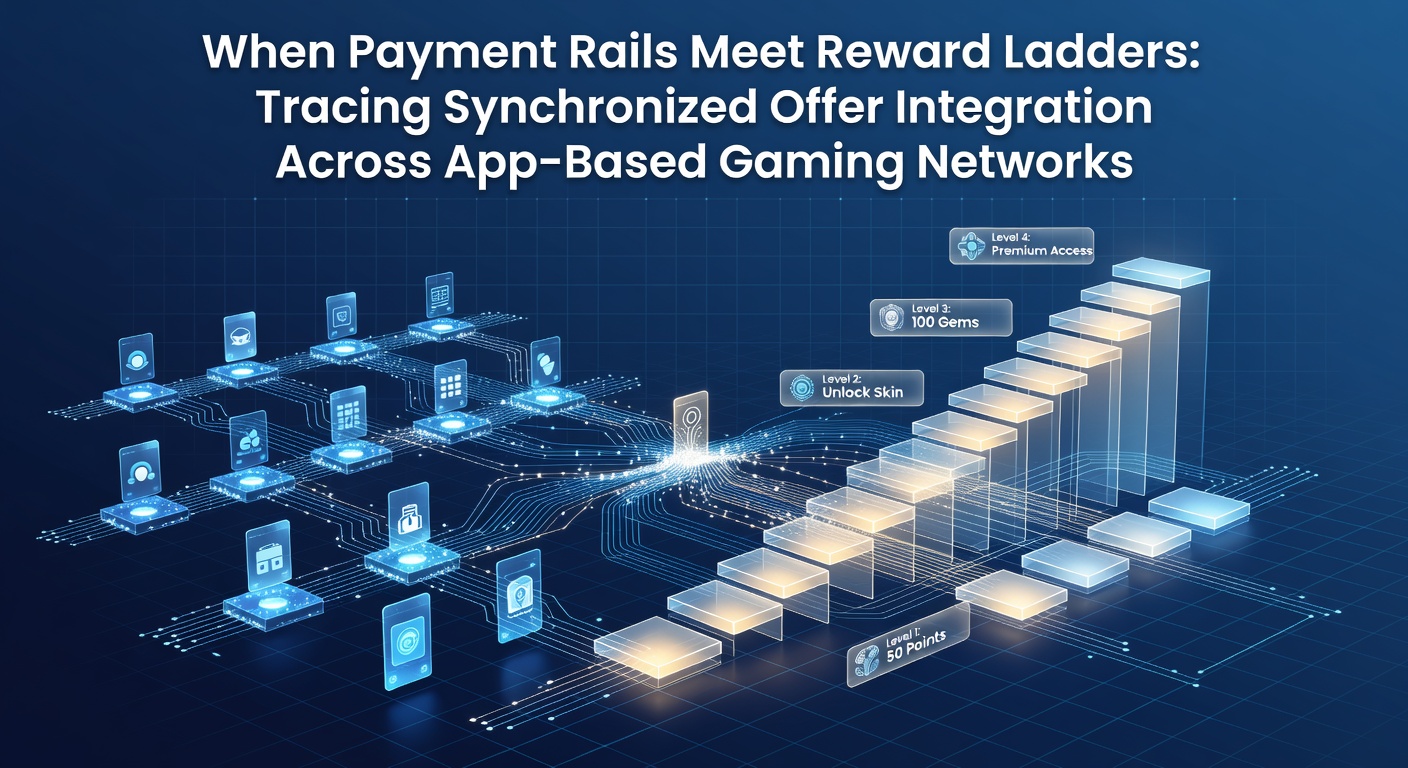
App-based gaming networks now coordinate payment processing systems with layered reward mechanisms to create synchronized offer flows that move from initial deposits through progressive loyalty stages and into verified withdrawals, and this coordination relies on shared data protocols that update player status in real time across multiple applications.
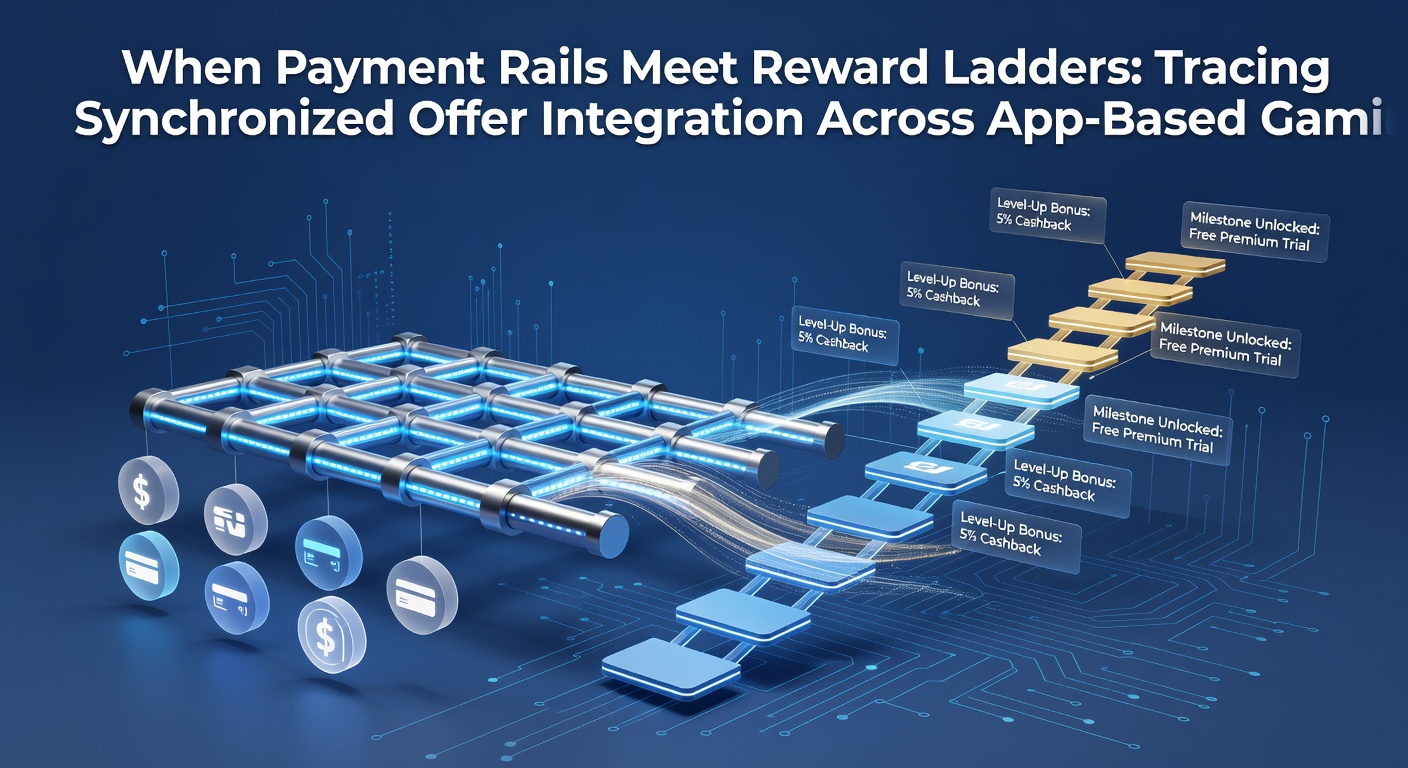
Payment rails in these environments consist of banking networks, digital wallets, and instant transfer services that transmit funds while simultaneously logging transaction metadata into central player profiles, whereas reward ladders operate as tiered structures that assign points or status levels based on cumulative activity tracked through the same profiles, so the synchronization occurs when each payment event triggers an automatic recalculation of loyalty position and unlocks corresponding offers without separate manual intervention.
Core Components of Synchronized Systems
Developers implement application programming interfaces that link transaction ledgers directly to loyalty engines, which means a deposit processed through an e-wallet service immediately increments both the balance and the reward meter in a single data exchange, and observers note that this reduces latency between payment confirmation and offer activation from several minutes to under ten seconds in optimized networks. Studies from the American Gaming Association indicate that integrated platforms handle millions of such paired events daily, with data flows structured around standardized schemas that accommodate both fiat currencies and digital assets while maintaining compliance logs for each step.
Those who manage these networks report that the reward ladders typically feature five to seven ascending tiers, each defined by thresholds measured in total wagered amounts or deposit frequency, and payment rails feed these thresholds continuously because every completed transfer carries flags that the loyalty module reads to determine eligibility for the next level, whereas earlier separate systems required players to claim rewards through distinct portals that often created delays of twenty-four hours or more.
Technical Integration Patterns Across Networks
App developers deploy event-driven architectures where a payment success event publishes a message to a message queue that the reward service subscribes to, which ensures that status updates propagate across connected gaming titles without requiring direct database writes from the payment processor itself, and this pattern supports scalability when user volumes increase during promotional periods. Research from the University of Nevada Gaming Innovation Lab has examined how such queued systems maintain consistency even when one component experiences temporary outages, because fallback mechanisms store pending events until synchronization resumes and then apply them in sequence to preserve accurate tier progression.
Geographic variations appear in the choice of rails, with European networks favoring instant bank transfers that settle in seconds and North American platforms incorporating more card-based flows that include additional verification layers, yet the reward integration layer remains consistent because it operates above the rail-specific protocols and simply consumes standardized transaction objects, so players moving between regions encounter familiar ladder mechanics even when the underlying payment method changes.
Market Developments Expected Through May 2026
Industry reports project that by May 2026 additional networks will adopt unified player identifiers that span multiple app ecosystems, allowing a single loyalty profile to accumulate activity from several gaming titles while payments route through the same connected rails, and this expansion follows from current pilot programs that already demonstrate cross-app point portability in limited test groups. Data released by the European Gaming and Betting Association shows continued growth in mobile transaction volumes, with synchronized systems contributing to higher retention rates because players receive tier upgrades and related offers without leaving the active game session.
Security protocols embedded in these integrations include tokenized payment references that never expose full account details to the reward engine, while audit trails record every synchronization event for regulatory review, and network operators continue to refine matching algorithms that reconcile payment amounts with reward calculations to prevent discrepancies that could arise from currency conversions or promotional multipliers.
Conclusion
The alignment of payment rails with reward ladders in app-based gaming networks produces continuous data loops that update balances and status levels in tandem, supported by standardized interfaces and event messaging that operate across different regions and payment types. As implementations expand through 2026, the same core patterns of real-time synchronization and tier recalculation are expected to underpin further platform connections, delivering consistent offer flows based on transaction activity recorded within unified player profiles.